Creative Nail Salon Ideas to Elevate Your Client Experience
A great nail appointment is rarely just about polish. Clients notice the pace of the service, the way the space feels, how clearly choices are explained, and whether they leave with nails that fit their lifestyle rather than just a trend they saw online. The salons that build loyal followings understand this. They do not simply offer a salon manicure and pedicure. They create an experience that feels thoughtful from the first consultation to the final cuticle oil.
That experience does not always require a full renovation or a dramatic brand overhaul. In practice, the strongest nail salon ideas tend to be the ones that solve real client frustrations. A better nail shape guide at the desk helps indecisive guests feel confident. Seasonal color curation prevents the wall of bottles from becoming overwhelming. Smarter service menus help clients choose between manicure types without feeling rushed or embarrassed. Even small touches, like more accurate timing and a better hand massage, can change how a salon is remembered.
After spending time in and around beauty service businesses, one pattern stands out: clients return when they feel understood. They want a technician who can recommend office-friendly nails for the workweek, elegant wedding nails for a formal event, or beach vacation nails that will survive sunscreen, sand, and salt water. They also want honesty. If a design is likely to chip on short natural nails, or if a certain shape will be hard to maintain at home, the best salons say so.
Build the experience around decisions clients actually struggle with
Most guests do not walk in with a perfect plan. They may know they want something fresh, but not whether they need gel, acrylic, a strengthening treatment, or a simple regular polish refresh. They might have saved ten photos, all in different nail lengths, skin tones, and lighting conditions. One practical way to elevate the client experience is to make these decisions easier.
A visual nail shape guide is one of the most useful tools a salon can add. Keep it simple and attractive, with real examples of square, squoval, oval, almond, coffin, and stiletto shapes shown on different hand types and nail lengths. A shape that looks elegant on long extensions may feel too dramatic on a client who types all day. Seeing variations helps clients choose with more confidence.
The same goes for a nail length guide. Many people struggle to translate “short almond” or “medium coffin” from social media into something wearable. A salon that shows short, medium, and long options on actual sample sets removes guesswork. It also opens the door to a better conversation. A nurse may want a neat short oval. A bride may prefer medium almond bridal nail designs that look refined in photos. A student heading to graduation may want just enough length for prom nails or graduation nails without the maintenance of very long extensions.

When clients feel guided rather than upsold, trust grows fast.
Rethink the menu so it feels clear, not crowded
A surprising number of salon menus are hard to read. They list every possible add-on but do little to explain who each service is for. Clients often do not understand the difference between basic polish, builder gel, hard gel, dip, and acrylic until they are already seated. That uncertainty creates tension, especially for first-time visitors.
A stronger approach is to describe manicure types in plain language. Instead of only naming services, explain the result and the ideal client. A classic salon manicure can be framed as the best fit for someone who likes to change nail polish colors often. Gel polish colors make sense for clients who want high shine and around two weeks of wear. Acrylic powder colors or acrylic overlays may suit those who want length, structure, or a more dramatic transformation. If the salon offers natural nail strengthening systems, describe them as support for weak or peeling nails rather than burying them under technical terms.
This kind of menu redesign also helps with pedicure ideas. Rather than offering five packages that sound similar, define them by benefit. One could focus on quick maintenance, another on callus smoothing and massage, another on seasonal exfoliation and hydration. Clients care about what they will feel when they leave. If they have been on their feet all week, they are not choosing between package names. They are choosing relief.
Create a color story, not just a wall of bottles
Many salons have hundreds of shades and still leave clients overwhelmed. More choice is not always better. What works better is curation.
A rotating seasonal display can make color selection enjoyable instead of exhausting. Fall nail colors might lean into oxblood, espresso, deep olive, burnt terracotta, and smoky plum. Spring nail colors can shift toward lilac, butter yellow, pistachio, blush, and soft coral. Summer nail colors often do well in bright nail colors like turquoise, hot pink, tangerine, and crisp white, while winter nail colors tend to favor dark nail colors, icy metallics, cool-toned nails, and rich jewel shades.
The key is to group shades by mood and skin undertone as well as by season. Clients regularly ask for “something neutral” but mean very different things by it. Neutral nail colors can include beige, rosy nude, taupe, milky pink, greige, and soft mocha. Warm-toned nails flatter some complexions beautifully, while cool-toned nails make others look more polished and balanced. A technician who can explain why a nude looks chalky on one person and elegant on another provides a level of service that clients remember.
The same thinking applies to gel polish colors and acrylic powder colors. If a salon offers enhancement services, it helps to display color systems cohesively instead of separating them into confusing corners. Clients should be able to identify a favorite tone and then understand whether it is available in regular polish, gel, dip, or acrylic.
A few well-styled boards can make this visual and effortless. One board for everyday nail designs, one for event nails, and one for fashion-forward looks often works better than a chaotic collage of everything at once.
Offer design guidance that matches real life, not just trends
Clients bring in celebrity nail trends all the time, but celebrity nails are often created for a photo shoot, a red carpet, or a short event window. Real life asks more of a manicure. A smart salon does not dismiss inspiration, but it translates it.
If a client wants long chrome claws inspired by a celebrity, but works in a professional office, suggest a softened version. Office-friendly nails can still be stylish. A short almond or squoval in a sheer pink chrome, a micro French tip design, or a muted two-tone nails concept feels elevated without becoming impractical. Date night nails can have more depth, such as a dark cherry jelly finish or a subtle cat-eye effect, while still being manageable.
This is where true nail technician tips matter. Good recommendations come from understanding how people use their hands. Someone who cooks daily may struggle with heavily embellished 3D art. A client who wears contact lenses might prefer rounded edges over sharp shapes. A new parent may need shorter nails with smoother finishes. The best salons teach staff to ask a few gentle questions Nail Salon in MI 48315 before recommending a design.
That practical translation also makes special-occasion services stronger. Bridal nail designs should read beautifully in both close-up ring photos and full-body images. Elegant wedding nails are often less about complex art and more about immaculate finish, clean shaping, and a shade that complements the dress and flowers. Prom nails can take more sparkle or bolder nail polish combinations. Vacation nails, especially beach vacation nails, need longevity and resistance to visible wear. A salon that tailors ideas to the event instantly feels more premium.
Use art menus to spark creativity without intimidating beginners
Nail art has exploded, but many clients still feel unsure about how to ask for it. They may love the idea of accent nails or ombre color combinations, but hesitate because they do not know the terminology. An art menu can solve that, as long as it is designed with clarity.
Instead of listing every trend on earth, group designs by complexity and time. Show simple options such as French tip colors, tiny florals, delicate line work, or a single accent nail. Then show mid-level ideas like mismatched nails, multicolor nails, tortoiseshell details, gradient tips, or minimalist abstract art. Keep more time-intensive work, such as hand-painted murals or advanced texture designs, in a clearly separate tier.
This structure helps beginners feel included. It also supports clients who come looking for nail design inspiration but need guardrails. A well-made display board can quietly educate them about terms like French tip designs, two-tone nails, and ombre color combinations without making them feel behind.
For salons that want to strengthen the consultation process, a compact reference like this works well:
- Start with purpose: everyday nail designs, event nails, or statement nails.
- Choose shape and length based on comfort and maintenance.
- Pick a color family, such as pastel nail colors, dark nail colors, or bright nail colors.
- Add one design detail, like accent nails, French tips, or a soft ombre.
- Confirm upkeep, timing, and expected wear before beginning.
That sequence keeps the conversation calm and collaborative. It also reduces the last-minute indecision that can throw off the schedule.
Make pedicures feel intentional, not like an afterthought
Many salons invest heavily in manicure presentation and treat pedicures as a standard routine. Clients notice. A thoughtful pedicure area can become a major point of difference, especially for guests who see the service as part beauty treatment, part stress relief.
The easiest upgrade is sensory consistency. If the manicure area feels modern and polished but the pedicure corner feels cluttered, the experience breaks. Comfortable seating, clean line of sight, proper foot support, and a quieter atmosphere matter more than decorative extras. Timing matters too. People are far more forgiving of a minor polish flaw than they are of spending 20 minutes waiting with their feet in cooling water.
Pedicure ideas can also be more creative than many menus suggest. Seasonal scrubs, targeted hydration treatments, and gentle lower-leg massage upgrades are practical rather than gimmicky. Some salons do well with a “city feet” recovery pedicure focused on exfoliation and fatigue relief. Others create event-specific offerings before sandal season, holidays, or weddings. These services feel useful when they are grounded in comfort and results, not novelty alone.
Color curation matters here as well. A client may want a coordinated hand-and-foot palette, or deliberately contrasting nail polish combinations. Some love matching shades. Others prefer quiet toes and expressive hands. Giving a few suggestions during the consultation makes the service feel customized.
Improve the technical side clients can feel, even if they cannot name it
Some of the strongest client experience upgrades are nearly invisible. Guests may not know exactly why one appointment feels better than another, but they can tell.
Shaping consistency is a major one. Uneven symmetry ruins otherwise beautiful work. So does poor cuticle prep. A salon that invests in regular technique reviews will outperform a prettier space with weak fundamentals almost every time. Strong sanitation habits also show up in subtle ways, from how tools are presented to how stations are reset between clients. People may not mention it unless something goes wrong, but cleanliness affects comfort on a deep level.
The quality of nail art tools also makes a difference. Fine detailing requires proper nail art brushes, dotting tools, mixing palettes, and lighting. Salons sometimes promote intricate designs without equipping technicians to execute them efficiently. The result is longer appointments, wobbly line work, and frustrated clients. Better tools are not glamorous, but they support better results.
One small but memorable improvement is to let clients see and touch sample textures. Matte topcoat, syrup finishes, velvet cat-eye effects, and chrome all look different in person than they do in photos. A tactile display helps clients choose more confidently and reduces “this isn’t what I imagined” moments.
Turn waiting time into part of the service
No client enjoys dead time, but not every wait can be eliminated. The difference lies in how it is handled.
If someone arrives early, give them something useful to engage with. This might be a shade board organized by nail color trends, a compact album of holiday nail art, or a station with sample designs for Valentine’s Day nails, Easter nail designs, Thanksgiving nails, and New Year’s nails. Seasonal inspiration gives clients a reason to browse, and it often leads to easy add-ons that feel self-directed rather than pushed.
For longer appointments, offer moments of comfort that do not complicate operations. Good lighting, phone charging access, a clean side table for personal items, and clear communication about timing are basic but effective. Even a simple update, “your art will take about 15 more minutes,” reduces anxiety. People mainly dislike uncertainty.
At the same time, avoid overloading the environment. Not every salon needs snacks, robes, and a dozen digital screens. For many clients, a calm, well-run appointment is more luxurious than a busy one.
Give clients take-home support that protects your work
One of the smartest ways to improve the client experience is to think about what happens after they leave. Great nails can be undermined by poor aftercare within days. Yet many salons say very little beyond “be careful.”

A better approach is brief, tailored education. A client with a regular polish service needs different advice than someone with hard gel or acrylics. An at-home manicure enthusiast may ask how to keep cuticles neat between appointments or how to file a snag safely. Someone wearing gel should know the risks of peeling it off. Someone booked for a beach vacation may need reminders about sunscreen residue, chlorine, and hydration. These conversations take a minute or two but add real value.
Short aftercare cards can be especially useful for first-time visitors. Keep them specific and readable. Here is the kind of guidance that tends to help most:
- Apply cuticle oil daily, especially with gel or acrylic enhancements.
- Wear gloves for extended cleaning or dishwashing.
- Use the pads of your fingers, not the tips of your nails, for opening cans or scraping labels.
- File small snags in one direction and contact the salon if lifting starts.
- Rebook based on service type, usually around two to four weeks for maintenance.
This kind of support positions the salon as a professional service, not just a place that applies color.
Use education as a client experience tool, not only a staff tool
Salons often think of education as something that happens behind the scenes, but clients appreciate learning too. A little gentle explanation can make even routine appointments feel richer. If someone asks why a certain French tip color looks softer than another, tell them. If a guest loves nail design tutorials online but is not sure what is realistic on their nails, walk them through the options. If a beginner wants nail art ideas for beginners, recommend a micro tip, a subtle accent nail, or a tonal ombre instead of jumping straight to difficult hand-painted designs.
This educational tone should feel confident, never patronizing. The point is not to lecture clients. It is to make them feel they are in capable hands. That is especially effective when discussing trade-offs. Long coffin nails can look dramatic but may feel cumbersome for some lifestyles. Pastel nail colors are beautiful in spring, but some shades need an opaque base to avoid streakiness. Dark nail colors often look richer on shorter nails than clients expect. Neutral nail colors can elongate the look of the hand if the undertone is right. These are the kinds of practical details people remember.
Design moments worth talking about
The best salons create details that clients mention to friends without being prompted. Sometimes that is a signature hand massage. Sometimes it is an unusually good shape consultation. Sometimes it is a seasonal board that makes choosing easy, or a technician who can suggest French tip designs that feel fresh rather than predictable.
A salon does not need to chase every trend to stay relevant. It needs a point of view. That might mean being known for clean, natural salon manicure work, soft bridal nail designs, bold mismatched nails, or highly wearable nail color trends. It might mean mastering polished everyday nail designs for busy professionals. It might mean offering expressive holiday nail art that still feels refined. Once that identity is clear, the client experience becomes easier to shape around it.
That identity should be visible online and in person. If the salon specializes in understated elegance, the sample boards, color choices, and social media should reflect that. If it excels in playful custom art, the booking process should explain timing, pricing, and what reference photos help most. Consistency makes a salon feel trustworthy.
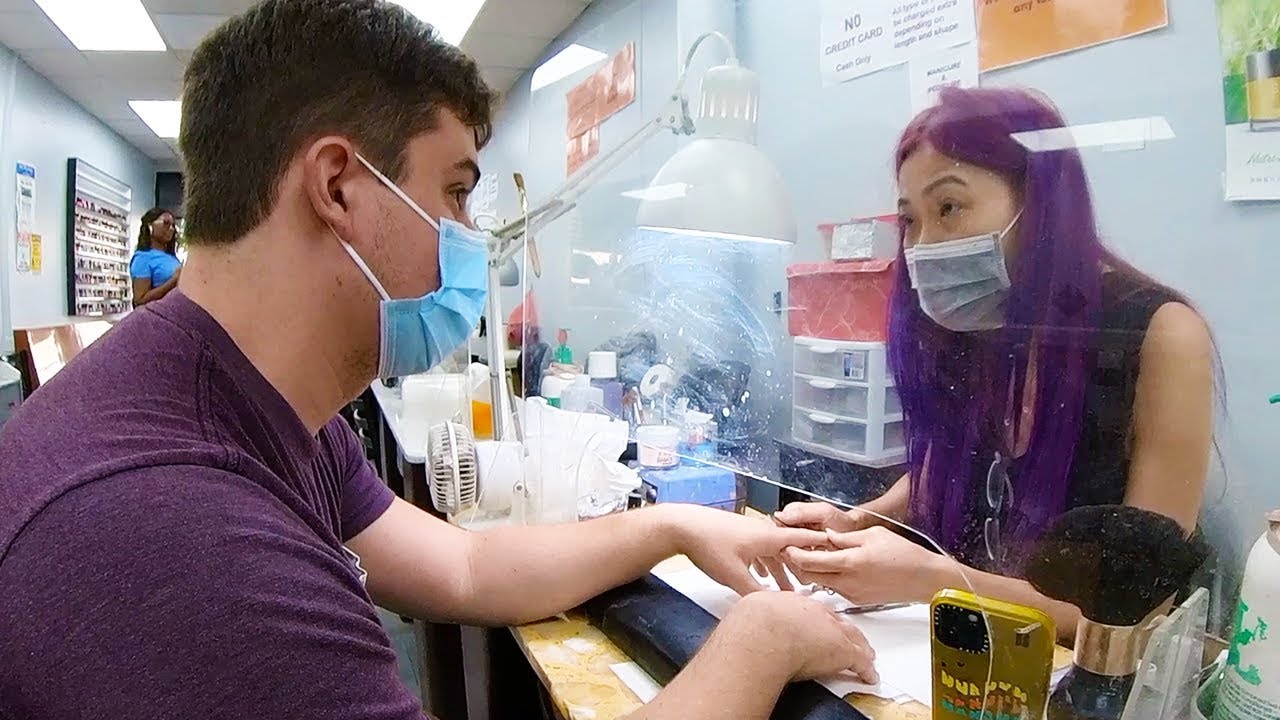
The small upgrades clients feel immediately
Not every idea requires major spending. Some of the most effective improvements are operational and surprisingly modest. Better consultation language, cleaner color editing, stronger timing discipline, more precise shape guidance, and clearer aftercare advice can all raise the standard quickly.
Clients remember the total feeling of an appointment. They remember whether the technician listened, whether the design suited the occasion, whether their hands looked polished in natural light, and whether the service felt worth the money. They may come in asking for celebrity nail trends, vacation nails, or a fresh set of prom nails, but what brings them back is the sense that the salon made the process easy and personal.
When a salon combines technical consistency with thoughtful curation, it stops feeling interchangeable. It becomes the place where someone knows the best French tip colors for their skin tone, the right nail length guide for their job, the strongest pedicure ideas before a trip, and the most flattering ombre color combinations for the season. That level of care is what elevates the client experience, and it is usually built through dozens of small smart decisions rather than one grand gesture.